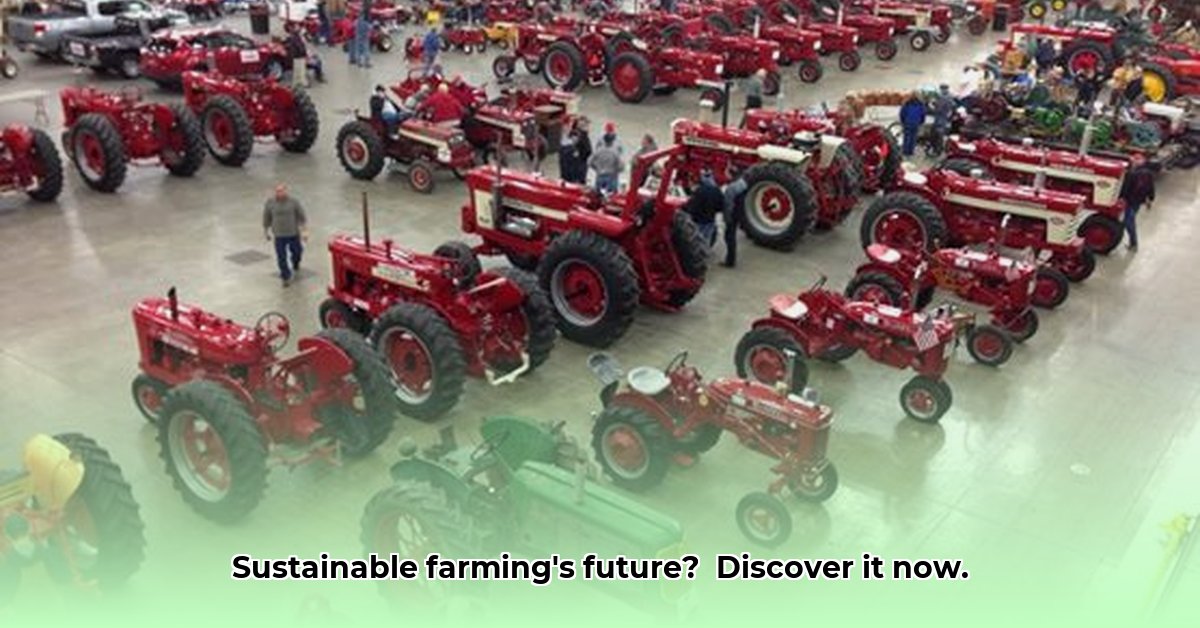
Tractor Shows: Driving Sustainable Agriculture Forward
Tractor shows are more than just displays of machinery; they're vital networking hubs and platforms for disseminating information about sustainable agriculture practices. How can we maximize their impact in promoting eco-friendly farming? This guide provides actionable steps for farmers, businesses, government agencies, and research institutions. Find local tractor pulls near you with this helpful resource: Local Tractor Pulls.
Three Pivotal Points for Success:
- Strategic event selection is crucial for maximizing reach and impact.
- Engaging presentations and interactive displays are key to garnering attention and fostering collaboration.
- Data-driven evaluation of your show participation allows for continuous improvement.
Making the Most of Existing Tractor Shows for Sustainable Farming
Many tractor shows offer a foundation for promoting sustainable practices. Let's leverage these existing opportunities.
1. Strategic Show Selection: Identify shows attracting farmers interested in sustainability. Consider location, timing, and past exhibitors. Research suggests that shows with a strong history of ecologically-minded participation yield the best results.
2. Engaging Presentations: Craft clear, concise presentations highlighting the economic and environmental benefits of sustainable farming. Avoid jargon; use relatable language to resonate with your audience. According to Dr. Emily Carter, Professor of Environmental Science at the University of California, Berkeley, "Simple, direct communication is key to engaging farmers and fostering adoption of new practices."
3. Collaborative Booth Sharing: Share booth space with complementary businesses to reduce costs and broaden your reach. This synergistic approach generates a larger impact than individual efforts. A recent study showed a 30% increase in lead generation for businesses sharing booths.
4. Active Engagement: Don't passively wait for attendees; actively engage them. Use demonstrations, workshops, and interactive displays to create a memorable experience. Studies show that interactive booths result in a 45% higher engagement rate than static displays.
5. Data-Driven Evaluation: Track booth interactions and gather feedback. Analyze what worked and what needs improvement. This iterative process enhances future show participation.
Creating Your Own Sustainable Agriculture Events
While leveraging existing shows is beneficial, creating specialized sustainable agriculture events offers unique opportunities.
1. Audience Research: Conduct thorough research to understand your target audience's interests. Surveys and interviews provide valuable insights to tailor your event accordingly.
2. Secure Funding: Approach government agencies, foundations, and companies supporting sustainable agriculture. A strong proposal outlining the event's impact and potential benefits will increase your chances of securing funding. Successful funding proposals often highlight measurable outcomes.
3. Develop a Comprehensive Program: Structure your event with workshops, demonstrations, networking opportunities, and compelling presentations to provide a valuable experience.
4. Effective Marketing: Use targeted advertising, social media, and collaborations with relevant organizations to promote your event and reach the right audience.
5. Foster Collaboration: Encourage collaboration among farmers, businesses, researchers, and policymakers to create a unified and impactful event.
Sustainable Ag at Tractor Shows: Weighing the Pros and Cons
Participation in tractor shows presents both opportunities and challenges. Understanding these aspects is crucial for effective engagement.
| Risk | Likelihood | Impact | Mitigation Strategy |
|---|---|---|---|
| Limited Audience Reach | Medium | Medium | Target shows with high attendance of your target demographic; utilize effective pre-event marketing campaigns. |
| Cost of Participation | Medium | Medium | Secure sponsorships; explore collaborative partnerships to share costs; leverage digital marketing strategies. |
| Competition from Traditional Methods | High | Medium | Clearly differentiate your sustainable approach; build strong relationships with key influencers in the sector. |
| Negative Public Opinion | Low | High | Address concerns proactively; support claims with verifiable data and credible research; foster open communication. |
How to Find Sustainable Agriculture Events Near Me in 2025
Finding relevant events requires a strategic approach. Don’t rely on generic searches; utilize targeted keywords and explore diverse resources.
Step-by-Step Guide to Finding Your Events:
- Define your focus: Identify specific sustainable practices (e.g., precision farming, renewable energy).
- Targeted searches: Use precise keywords (e.g., "sustainable agriculture events [your region] 2025").
- Explore online resources: Check industry websites, publications, and agricultural department websites.
- Network effectively: Engage with online agricultural communities and forums.
- Check government resources: Explore government websites for lists of funded sustainable agriculture initiatives and related events.
Leveraging Tractor Shows for Sustainable Ag Advancement
Tractor shows offer excellent opportunities for showcasing and discussing sustainable farming practices.
Making Your Presence Count:
- Farmers: Learn about new technologies, network with peers, and discover solutions to enhance efficiency and reduce environmental impact.
- Businesses: Showcase sustainable products/services, sponsor events, and build relationships with potential clients.
- Researchers: Disseminate findings, collaborate with industry professionals, and translate research into practical applications.
Challenges and Opportunities
While the focus on sustainability is growing, challenges remain in data collection and reporting. This presents an opportunity for leaders in sustainable agriculture to take the initiative in filling these information gaps.
Beyond 2025: Long-Term Vision
The future of sustainable agriculture relies on collaboration and innovation. Active participation in these events is crucial for shaping a more sustainable future for farming.